Leaks cause downtime, downtime causes losses, and wrong fittings create both. Many buyers still struggle to choose the right standard.
JIC fittings continue to lead because they balance reliability, global compatibility, and cost efficiency, but alternatives outperform them in high-vibration, high-pressure, or zero-leak applications.
After more than 15 years in stainless steel hydraulic fittings, I still see JIC as the default choice—but never the automatic one.
What Are JIC Fittings?
Wrong assumptions about JIC fittings often lead to leaks, rework, and field failures in hydraulic systems.
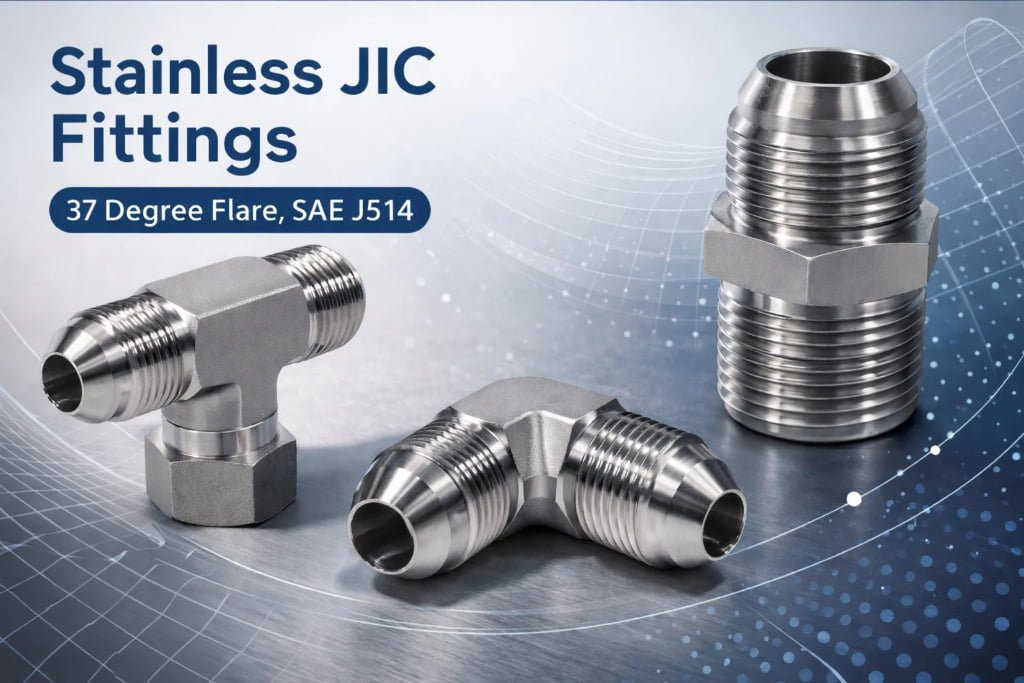
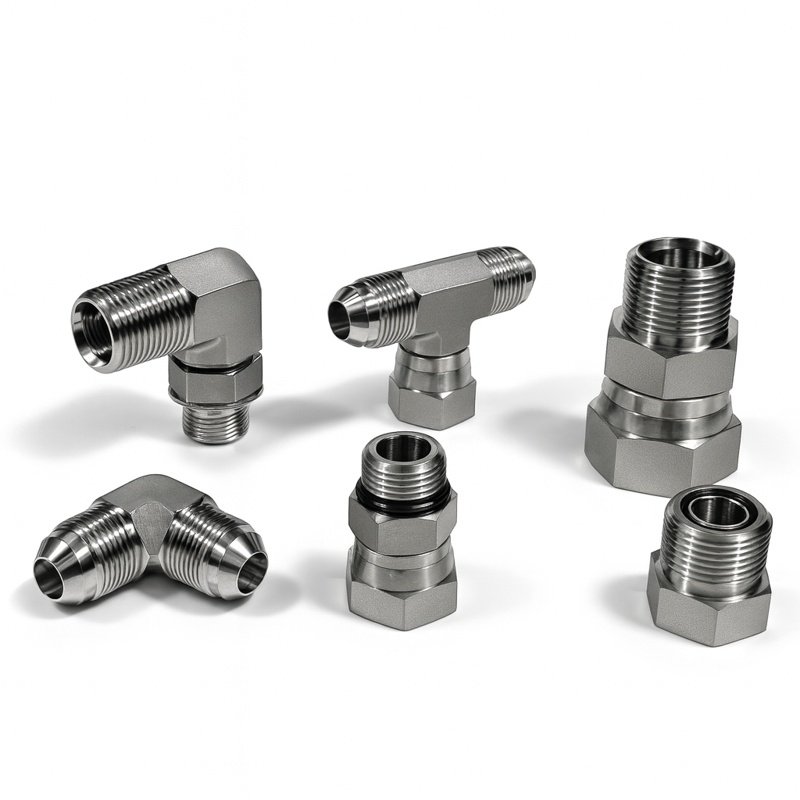
JIC fittings are 37° flare hydraulic fittings standardized under SAE J514, sealing through metal-to-metal contact rather than threads or elastomers.
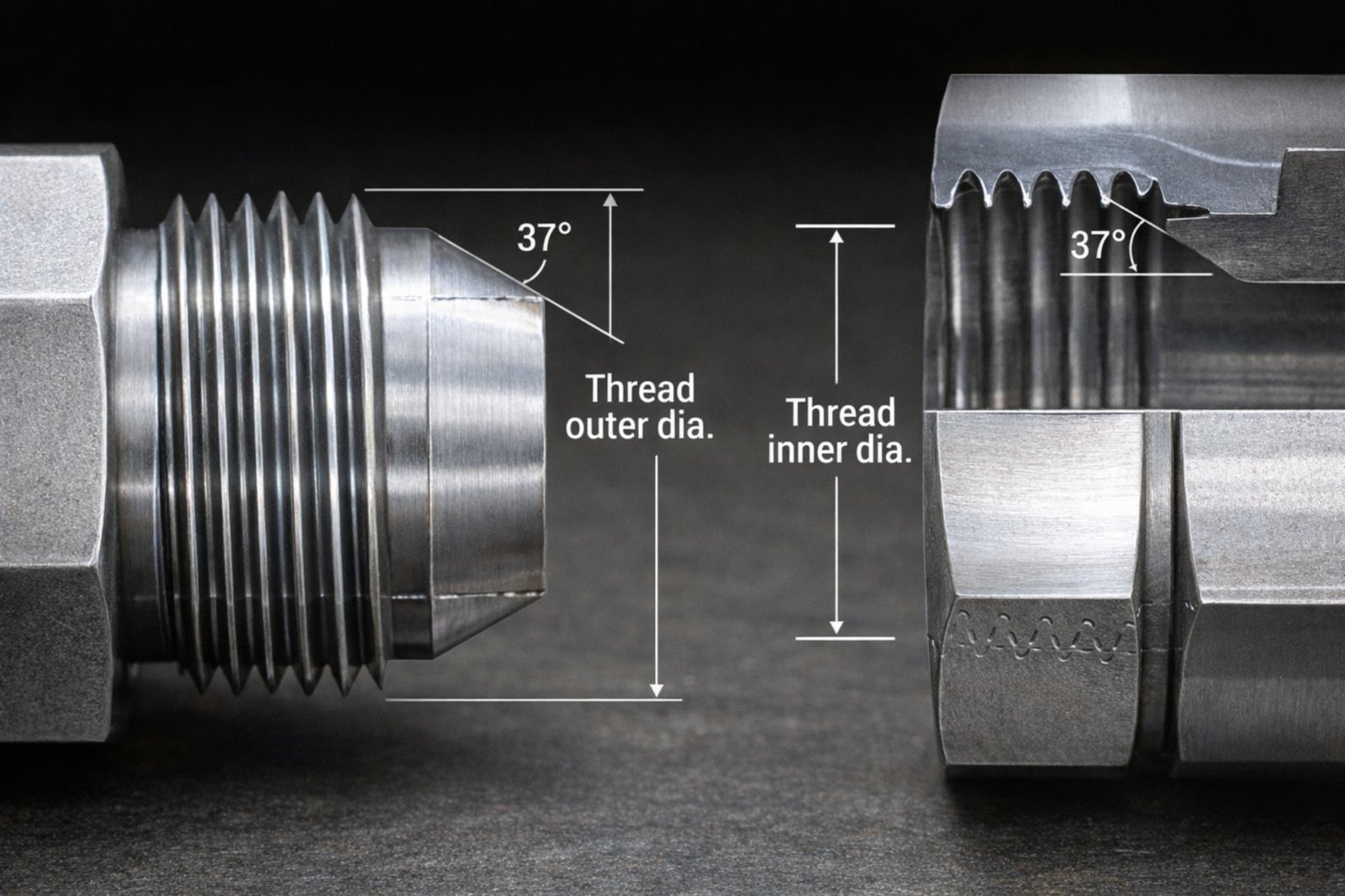
Definition & History
JIC stands for Joint Industry Council. The standard originated in the United States to unify hydraulic connections across aerospace, military, and industrial equipment.
This early adoption created a massive installed base. Once machines, spare parts, and maintenance habits are built around one fitting type, replacement cycles reinforce it for decades. That legacy is the main reason JIC remains dominant today.
How JIC Sealing Works (37° Flare & Metal-to-Metal Contact)
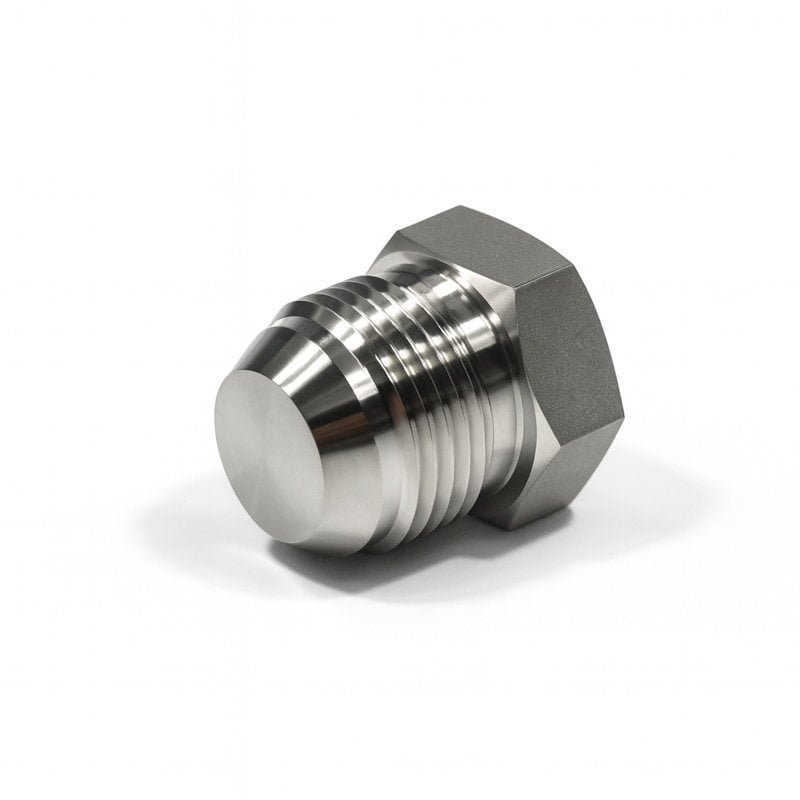
A JIC connection seals at the 37° flare interface. The male cone compresses against the female flare as torque is applied. Threads only generate axial force and never act as the sealing surface.
This design offers:
- No elastomer aging
- Clear visual inspection
- Good reusability
But it also demands clean surfaces, correct alignment, and controlled torque.
Materials, Sizes & Standards
Most JIC fittings in industrial systems are produced in carbon steel or stainless steel. At TITAN Fluid, I mainly supply SS304 and SS316L for corrosion resistance and long service life.
Standard dash sizes range from -2 to -32, all following SAE J514 geometry. However, machining accuracy and surface finish vary greatly between suppliers, which directly affects sealing reliability.
Standard JIC Thread Size Chart (SAE J514)
| SAE Dash Size | Tube OD (inch) | Thread Size (UNF) | Thread OD (inch) |
|---|---|---|---|
| -2 | 1/8 | 5/16-24 | 0.312 |
| -3 | 3/16 | 3/8-24 | 0.375 |
| -4 | 1/4 | 7/16-20 | 0.438 |
| -5 | 5/16 | 1/2-20 | 0.500 |
| -6 | 3/8 | 9/16-18 | 0.562 |
| -8 | 1/2 | 3/4-16 | 0.750 |
| -10 | 5/8 | 7/8-14 | 0.875 |
| -12 | 3/4 | 1-1/16-12 | 1.062 |
| -16 | 1 | 1-5/16-12 | 1.312 |
| -20 | 1-1/4 | 1-5/8-12 | 1.625 |
| -24 | 1-1/2 | 1-7/8-12 | 1.875 |
| -32 | 2 | 2-1/2-12 | 2.500 |
Why JIC Fittings Still Dominate the Industry?
Many engineers question why JIC survives when newer standards exist.
JIC fittings dominate because they align with existing equipment, global supply chains, and practical maintenance realities.
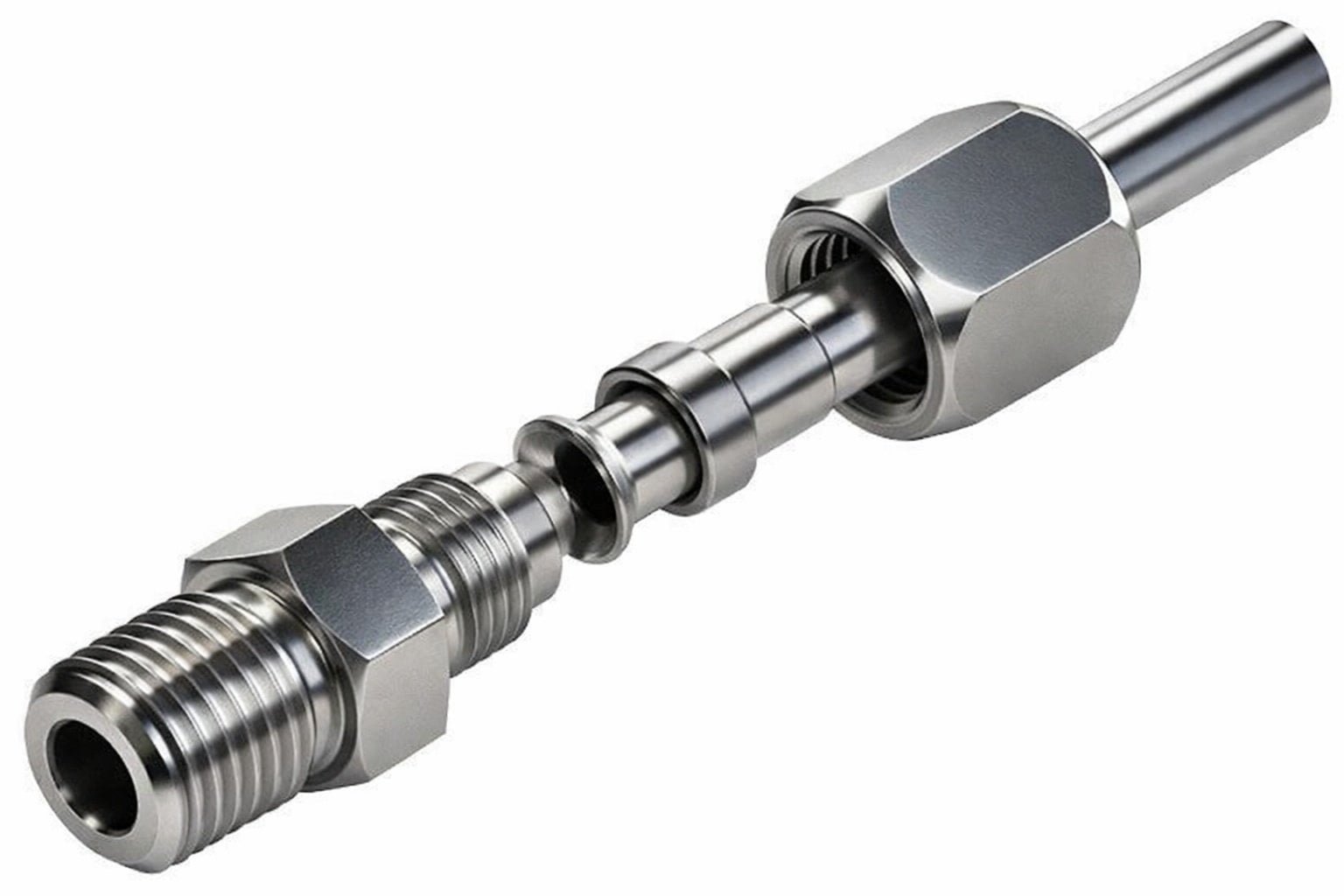
Legacy Equipment & Inventory Ecosystems
Most hydraulic systems are not designed from scratch. They are repaired, expanded, or copied. Plants already stock JIC hoses, adapters, and tools.
Switching standards increases inventory cost, training time, and error risk. Purchasing managers often prefer stability over optimization.
Universal Compatibility Across Systems
JIC fittings are globally recognized. A qualified JIC fitting from China will mate with one from Europe or North America.
This matters for global B2B buyers sourcing from multiple regions while rebranding for US or EU markets.
Ease of Installation & Maintenance
Technicians understand JIC behavior. They know the feel of proper torque and can disassemble and reassemble fittings multiple times.
Lower skill barriers reduce installation errors and downtime.
Technical Strengths & Limitations of JIC Fittings
JIC fittings are reliable, but not universal.
JIC fittings perform well in medium-pressure systems but show limitations under vibration, impulse loads, and strict leak requirements.
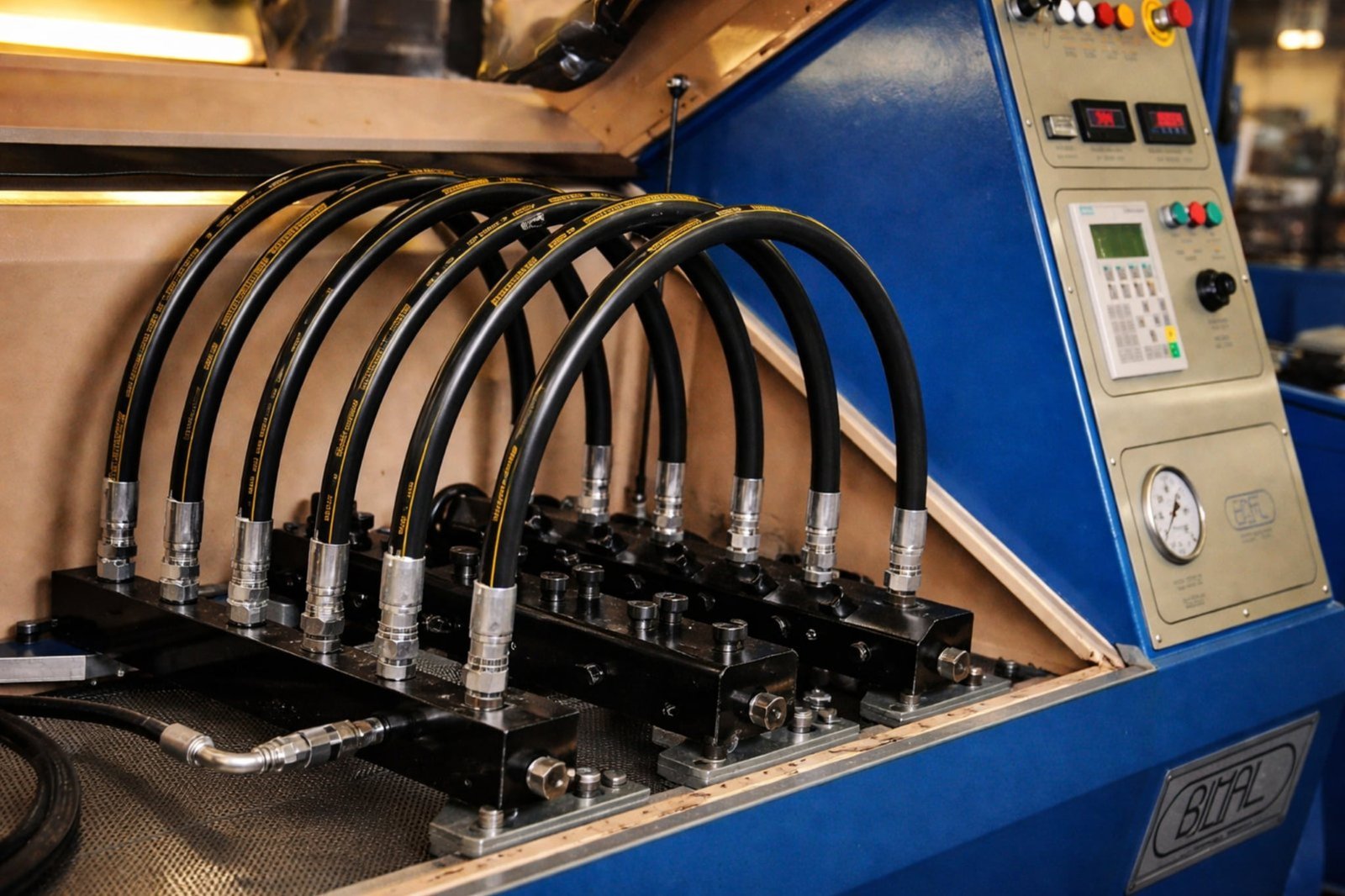
Pressure & Temperature Capabilities
Pressure ratings depend on size. Smaller dash sizes handle higher pressures, while larger sizes drop quickly.
Temperature is rarely a limitation for stainless steel JIC fittings. Sealing stability is the real constraint.
Vibration Resistance
Metal-to-metal seals rely on constant contact force. Continuous vibration can loosen the interface over time.
In mobile hydraulics or heavy machinery, I often recommend alternatives unless locking methods or frequent inspections are planned.
Metal-to-Metal Seal vs Alternatives
Metal seals do not tolerate:
- Scratched cones
- Over-tightening
- Misalignment
Soft seals compensate better for assembly variation and dynamic loads.
Comparing JIC With Other Fitting Standards
Choosing the wrong standard increases failure risk.
Each hydraulic fitting standard is optimized for specific operating conditions and failure modes.
JIC vs ORFS (O-Ring Face Seal)
| Feature | JIC | ORFS |
|---|---|---|
| Seal method | Metal-to-metal | O-ring face seal |
| Vibration resistance | Medium | High |
| Leak risk | Medium | Low |
| Cost | Lower | Higher |
ORFS is my first recommendation for vibration-intensive systems.
JIC vs NPT, BSP, AN, JIS
- NPT seals on threads and depends heavily on installer skill
- BSP includes parallel and taper versions, often misunderstood
- AN uses tighter tolerances for aerospace
- JIS uses a 30° flare and is region-specific
JIC remains the most forgiving global option.
When to Use Each Standard (Use Cases)
- JIC: General industrial hydraulics
- ORFS: Mobile equipment and vibration
- NPT: Low-pressure legacy systems
- DIN: European machinery
- JIS: Japanese equipment
Practical Selection Guide for Engineers & Technicians
Selection errors show up later as leaks and downtime.
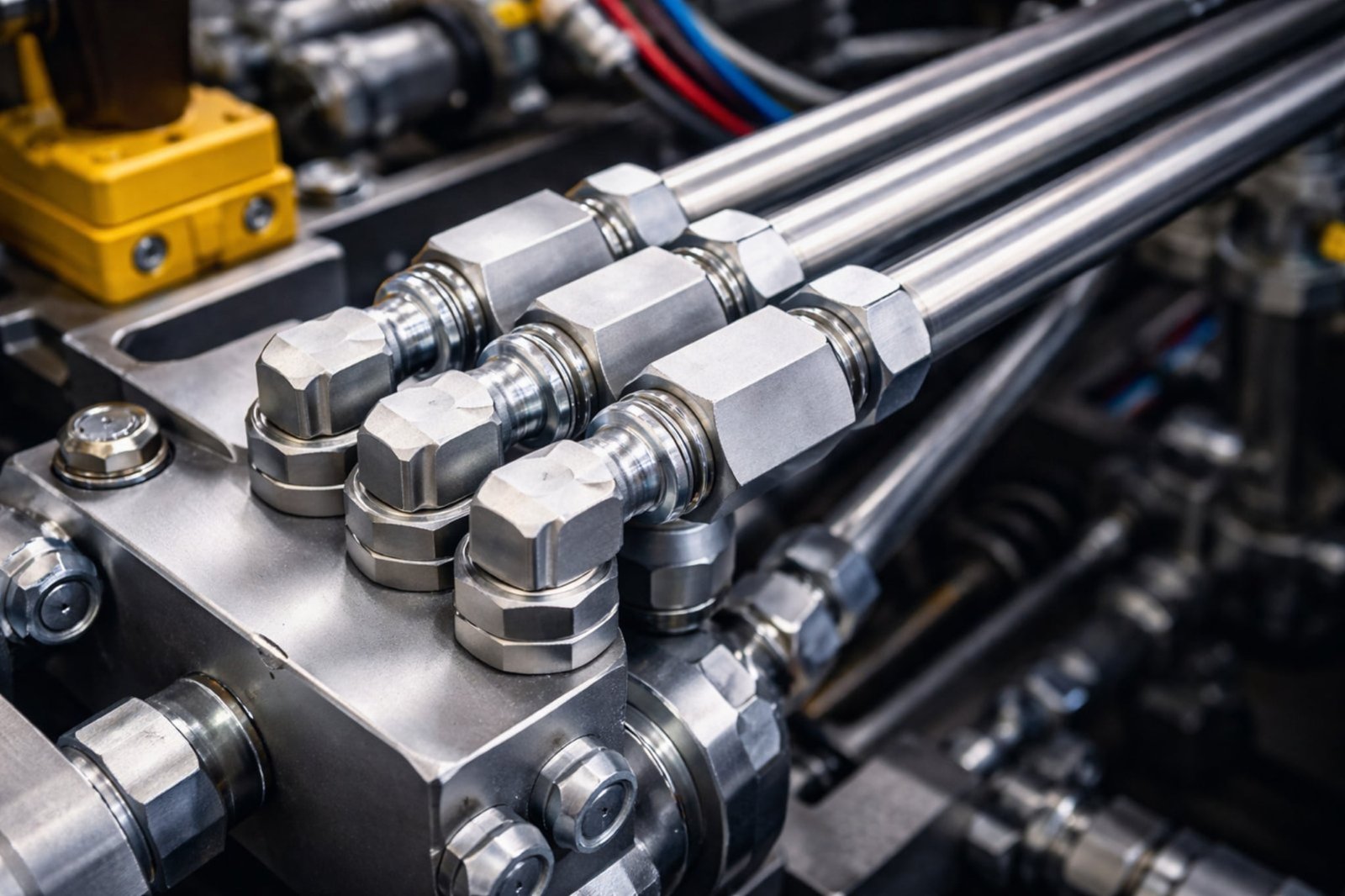
Correct fitting selection starts with operating conditions, not price lists.
Choosing Based on Application Requirements
I always ask three questions:
- Is vibration present?
- Is zero leakage required?
- Is global interchangeability needed?
JIC excels at the third.
Installation Tips & Common Mistakes
Common issues I see:
- Reusing damaged flares
- Excessive torque
- Mixing poor-quality components
Clean surfaces and torque control solve most problems.
Cost vs Performance Considerations
JIC fittings offer lower upfront cost. However, leakage costs more over time.
In many projects, I mix standards: JIC where stable, ORFS where critical.
FAQs About Hydraulic Fittings
Are JIC and AN fittings interchangeable?
They share a 37° flare but have different tolerances. Mixing is risky.
Can JIC fittings handle high pressure?
Yes, but pressure rating decreases as size increases.
Why do JIC fittings leak?
Surface damage, wrong torque, or vibration are the main causes.
Are stainless JIC fittings better?
Yes, for corrosion resistance and long-term sealing stability.
Conclusion
JIC fittings lead because they are universal and practical, but smart engineers choose alternatives when vibration, pressure, or leak risk demands more.
TITAN Fluid is a leading supplier of stainless steel JIC fittings. Learn more at https://titanfluid.com/products/stainless-adapters/jic-adapters/