Leaks, wrong fittings, and wasted time happen every day because BSP threads look similar.
One wrong choice can shut down an entire system.
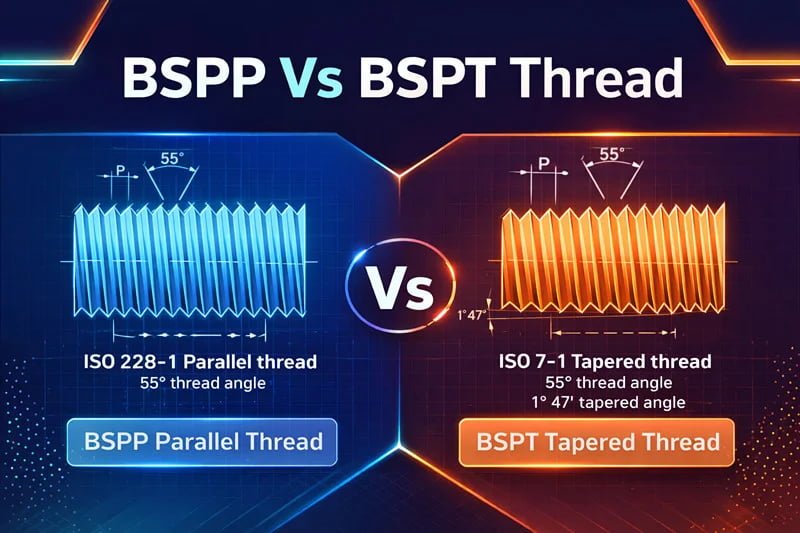
BSPP uses parallel threads and seals with O-rings or washers, while BSPT uses tapered threads and seals by thread interference.
Choosing the wrong one leads to leaks, damaged ports, and unsafe assemblies.
In this guide, I explain BSP threads clearly, based on real factory and field experience, so you can select the right thread with confidence.
What Are BSP Threads?
Misunderstanding BSP threads causes sourcing errors, rework, and quality disputes.
Many buyers assume BSP is one single thread type.
BSP threads are British Standard Pipe threads defined under ISO standards and used globally for fluid and gas connections.
The two main types are BSPP (parallel) and BSPT (tapered).
BSP threads originated in the UK but are now widely used across Europe, Asia, the Middle East, Africa, and Australia. Many OEMs still specify BSP threads because they integrate well with metric systems and stainless steel materials.
From my experience supplying stainless steel hydraulic fittings to over 50 countries, BSP threads are commonly found in:
- Hydraulic hose fittings and adapters
- Pneumatic air systems
- Instrumentation tubing connections
- Industrial water and fluid piping
The biggest source of confusion is that BSPP and BSPT share the same 55° thread angle. They look similar, but they seal in completely different ways.
BSPP (British Standard Pipe Parallel)?
Hydraulic leaks usually come from poor sealing design, not weak threads.
That is where BSPP performs best.
BSPP is a parallel thread with constant diameter that seals using an O-ring, bonded seal, or washer, not the threads.
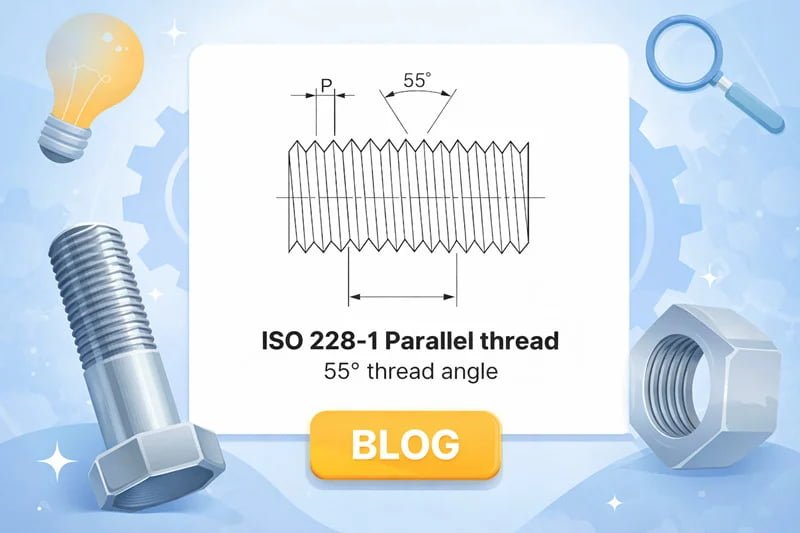
Design & Thread Shape (Constant Diameter)
BSPP threads maintain the same diameter from the first thread to the last. There is no taper and no wedging effect when tightening.
This design reduces stress on ports and threads, which is especially important for stainless steel fittings. Stainless steel is strong but sensitive to galling under high friction.
How Sealing Works (Bonded Seal, O-Rings)
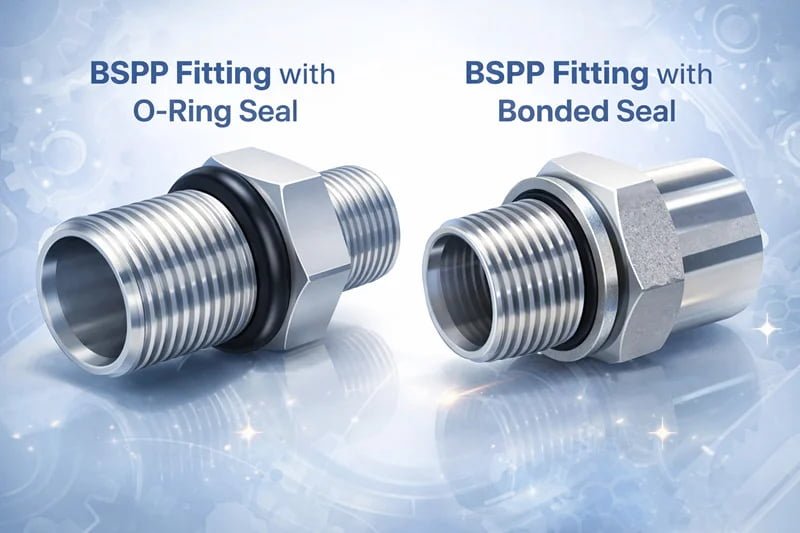
BSPP does not seal on the threads. The seal is created by:
- O-rings in the port
- Bonded seals (metal washer with rubber insert)
- Flat-face seals
The thread only provides mechanical retention. The sealing element handles pressure.
This makes BSPP highly repeatable and easy to control during assembly.
Typical Applications (Hydraulics, Pneumatics)
In my daily projects, BSPP is widely used in:
- Stainless steel hydraulic adapters
- Instrumentation tube fittings
- Pneumatic manifolds
- OEM hydraulic ports
For hydraulic systems, BSPP is usually the safer and cleaner choice.
BSPT (British Standard Pipe Taper)?
BSPT works, but only when installers understand its limits.
Most failures come from over-tightening or incorrect sealant use.
BSPT is a tapered thread that seals by metal-to-metal thread interference.
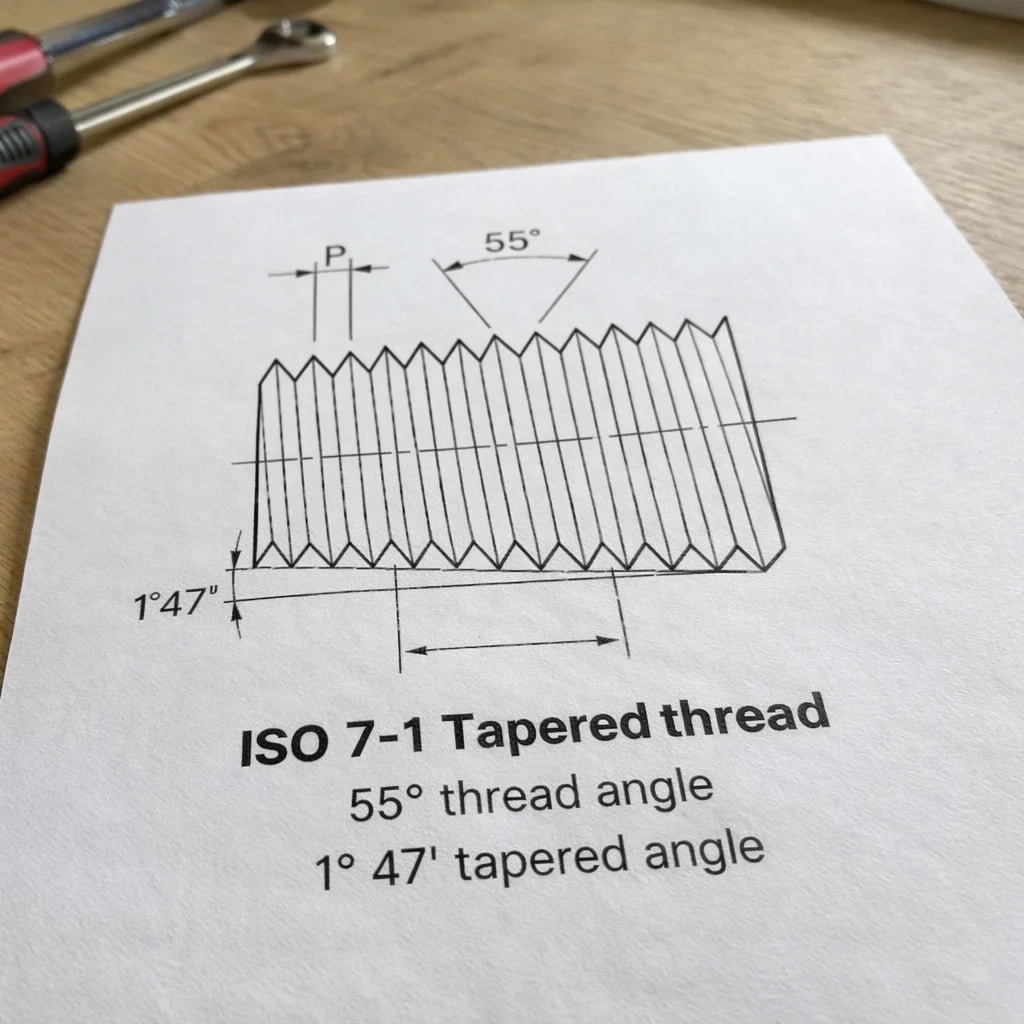
Design & Taper Description (Narrowing Profile)
BSPT threads taper at a rate of 1 in 16. As the male thread enters the female port, the diameter increases contact pressure.
The deeper the fitting is tightened, the greater the sealing force.
Thread-to-Thread Sealing and Interference Fit
Because sealing happens on the threads:
- PTFE tape or liquid sealant is usually required
- Over-tightening can crack ports
- Stainless steel threads are prone to galling
I have seen stainless BSPT ports damaged simply because installers treated them like carbon steel fittings.
Typical Applications (Piping, Water, Gas)
BSPT is commonly used in:
- Water piping systems
- Low-pressure gas lines
- Industrial plumbing
It is less suitable for precision hydraulics where controlled sealing is required.
BSP Thread Size
Wrong size selection causes just as many leaks as wrong thread type.
Many buyers assume BSP sizes are the same as metric or NPT sizes, but they are not.
BSP thread sizes are nominal pipe sizes that do not match the actual outside thread diameter.
You must identify BSP size by thread pitch and outside diameter together.
BSP thread sizes are expressed as fractions such as 1/8, 1/4, 3/8, 1/2, 3/4, and 1 inch. These sizes come from pipe bore tradition, not true thread diameter. For example, a BSP 1/2 thread does not measure 12.7 mm in diameter. The actual outside diameter is much larger.
This is where many sourcing errors happen, especially when buyers compare BSP to NPT or metric threads by eye.
Common BSP Thread Sizes (Overview)
| BSP Size | Threads Per Inch (TPI) | Approx. OD (mm) |
|---|---|---|
| BSP 1/8 | 28 | ~9.7 |
| BSP 1/4 | 19 | ~13.2 |
| BSP 3/8 | 19 | ~16.7 |
| BSP 1/2 | 14 | ~21.0 |
| BSP 3/4 | 14 | ~26.4 |
| BSP 1 | 11 | ~33.2 |
| BSP 1 1/4 | 11 | ~41.9 |
| BSP 1 1/2 | 11 | ~47.8 |
| BSP 2 | 11 | ~59.6 |
Both BSPP and BSPT use the same size and pitch system. The difference is not the size, but whether the thread is parallel or tapered.
BSPT vs BSPP — Key Differences?
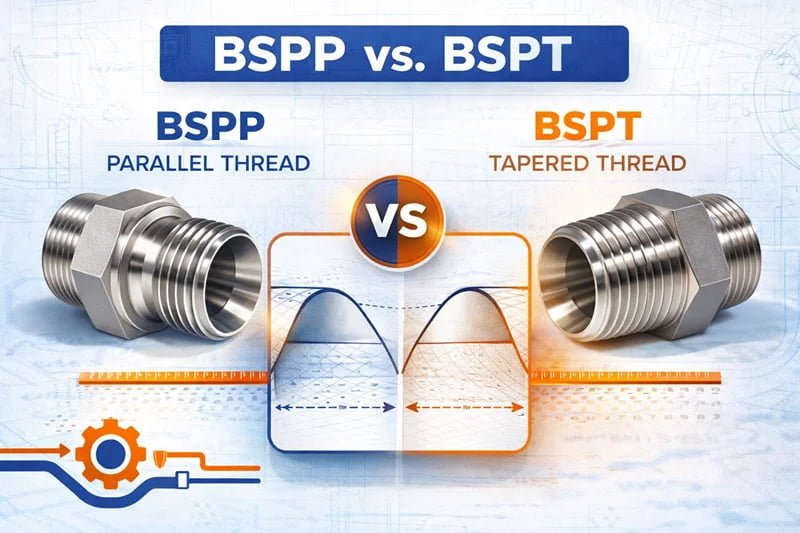
BSPT and BSPP are often confused, but they are not interchangeable.
Mixing them causes leaks and permanent damage.
BSPP seals with a face seal, while BSPT seals by tapered thread interference.
Thread Geometry Comparison Table
| Feature | BSPP | BSPT |
|---|---|---|
| Thread type | Parallel | Tapered |
| Diameter | Constant | Decreasing |
| Sealing method | O-ring or washer | Thread interference |
| Sealant required | No | Yes |
| Reusability | High | Limited |
Sealing Mechanisms Side-by-Side
BSPP provides predictable sealing because torque does not affect sealing force directly.
BSPT depends heavily on torque and friction.
Interchangeability & Compatibility Risks
A BSPT male can sometimes screw into a BSPP female. This may feel correct, but it damages the port and rarely seals reliably.
If it only “kind of fits,” it is wrong.
How to Identify BSPP vs BSPT?
Guessing leads to scrap and delays. Measuring avoids mistakes.
You can identify BSPP and BSPT by checking diameter change and thread pitch.
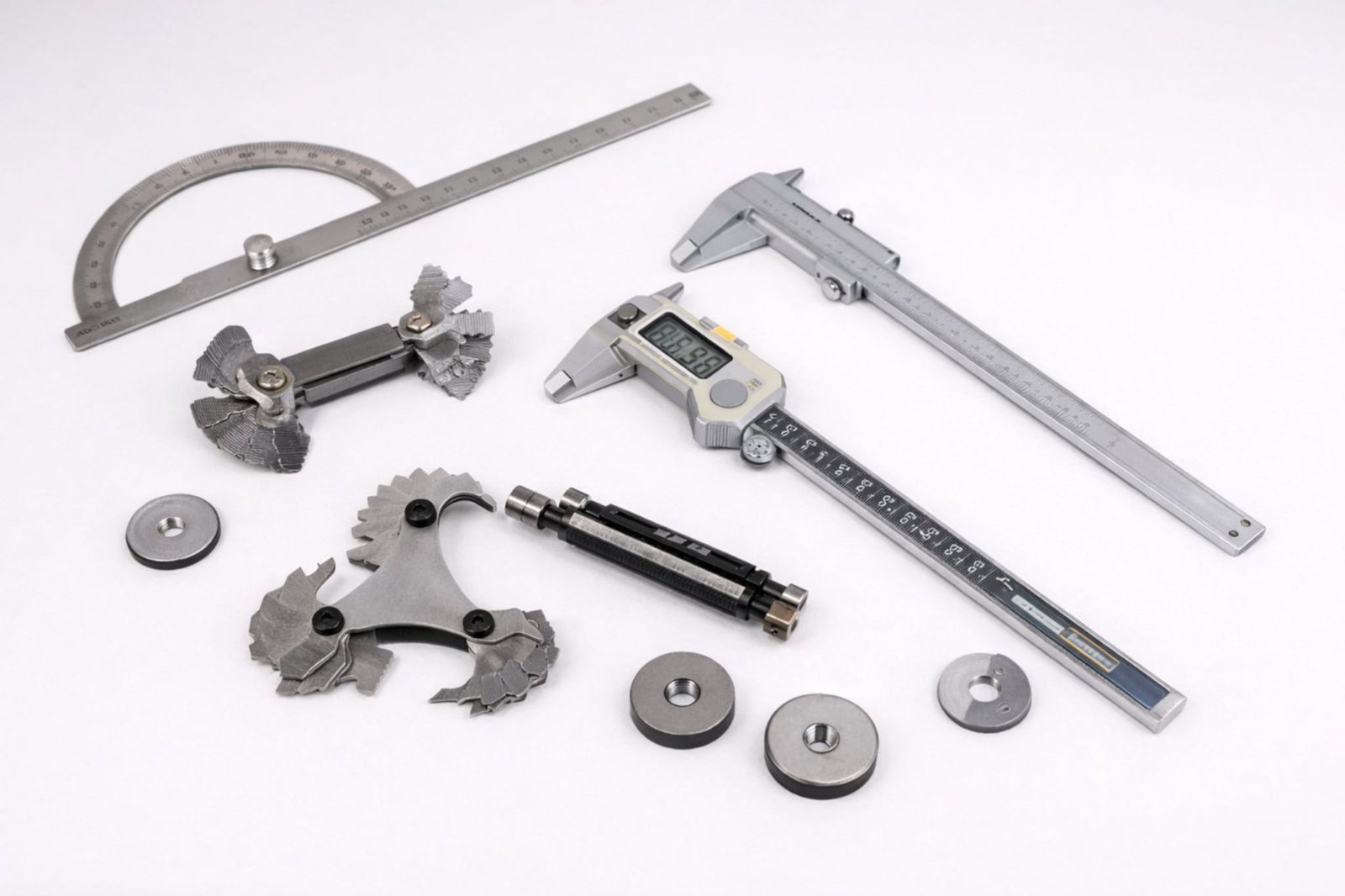
Tools You Need (Calipers, Thread Gauges)
- Digital calipers
- BSP thread gauge
- Visual inspection
Step-by-Step Identification
Measure the thread diameter at the first and last thread.
If the diameter changes, it is BSPT.
If it stays the same, it is BSPP.
Then verify the pitch using a BSP thread gauge.
Common Mistakes & Best Practices?
Most leaks are caused by wrong thread selection, not product defects.
Using the wrong BSP thread type leads to leaks, damaged ports, and rejected assemblies.
Best practices I recommend:
- Use BSPP for hydraulic systems whenever possible
- Always use correct O-rings or bonded seals
- Avoid BSPT in stainless steel unless required
- Never force mixed thread types
FAQs?
Is BSPP better than BSPT?
BSPP is better for hydraulic and pneumatic systems because it uses controlled face sealing with O-rings or bonded seals.
BSPT is not better or worse by default, but it is more dependent on installer skill and torque.
Can BSP threads be used with NPT threads?
No, BSP and NPT threads should not be mixed.
They have different thread angles and pitches. Even if they screw together, they will not seal reliably and may damage the threads.
Do BSPP threads need sealant or PTFE tape?
No, BSPP threads do not seal on the threads.
Sealant is unnecessary and often causes assembly issues. Proper sealing comes from O-rings, bonded seals, or washers.
Can a BSPT male fit into a BSPP female?
A BSPT male may screw into a BSPP female, but it is not a correct or safe connection.
This damages the port and usually results in leaks under pressure.
Which BSP thread is better for stainless steel fittings?
BSPP is strongly recommended for stainless steel fittings.
It reduces galling risk, avoids over-tightening, and provides repeatable sealing in hydraulic systems.
Conclusion
BSPP is ideal for controlled hydraulic sealing.
BSPT is suited for tapered pipe connections.
Always choose based on sealing method, not appearance.
TITAN Fluid is a leading supplier of stainless steel BSP fittings and adapters for over 15 years in China. Download a BSP fitting catalog.